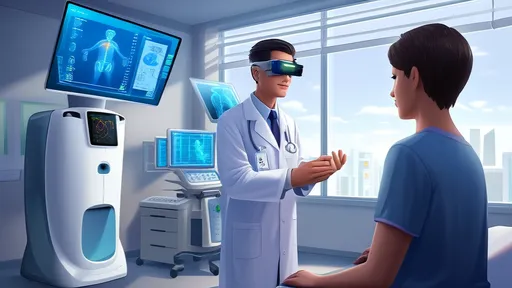
The rapid advancement of artificial intelligence in healthcare has ushered in a new era of diagnostic capabilities, yet the boundaries of AI diagnostic systems remain a subject of intense debate. While these technologies promise unprecedented efficiency and accuracy, their limitations and ethical implications cannot be overlooked. The conversation surrounding their application is as much about technological potential as it is about human responsibility.
The Promise and the Hype
AI diagnostic systems have demonstrated remarkable proficiency in analyzing medical images, detecting patterns, and even predicting patient outcomes. From identifying early-stage tumors in radiology scans to flagging rare genetic disorders, these tools are transforming how clinicians approach diagnosis. The allure lies in their ability to process vast datasets far beyond human capacity, reducing the risk of oversight and fatigue-related errors.
However, the enthusiasm surrounding these systems often overshadows their current limitations. While AI can excel in narrow, well-defined tasks, it struggles with the nuanced, holistic understanding that experienced physicians bring to patient care. The technology remains fundamentally reactive—it interprets data but cannot replicate the intuitive leaps or contextual awareness that often lead to breakthroughs in complex cases.
The Human-Machine Interface
One critical boundary for AI diagnostics lies in the handoff between algorithmic analysis and clinical decision-making. No matter how sophisticated the system, final determinations must remain the physician's responsibility. This creates a delicate balance where AI serves as an advisor rather than an authority, augmenting human expertise without replacing medical judgment.
The integration challenge becomes particularly apparent when systems encounter edge cases or contradictory information. Unlike humans who can weigh uncertainties and make judgment calls, AI typically operates within the parameters of its training data. When faced with novel presentations or comorbid conditions outside its experience, the technology may fail silently—providing confident but incorrect assessments.
Data Limitations and Biases
Another fundamental constraint stems from the data that powers these systems. AI diagnostic tools are only as good as the information used to train them, which often reflects historical biases in healthcare. Underrepresented populations, rare conditions, and atypical presentations may not receive adequate attention in training datasets, leading to disparities in diagnostic accuracy across patient demographics.
Furthermore, the black-box nature of many advanced algorithms creates transparency issues. When an AI system recommends a diagnosis, clinicians often cannot interrogate its reasoning process with the same clarity as they might challenge a human colleague's assessment. This opacity becomes problematic when trying to reconcile conflicting opinions or explain decisions to patients.
Regulatory and Ethical Frontiers
The legal landscape surrounding AI diagnostics remains unsettled. Questions of liability—when an incorrect AI-assisted diagnosis leads to patient harm—have yet to be fully resolved. Unlike traditional medical devices with clear approval pathways, adaptive AI systems that continue learning post-deployment present novel regulatory challenges.
Ethical considerations extend beyond accuracy and safety. The psychological impact on patients receiving diagnoses from machines, the potential for over-reliance on technology among clinicians, and the commercialization of diagnostic algorithms all raise concerns that the healthcare community must address as adoption increases.
The Road Ahead
As the technology matures, establishing appropriate boundaries for AI diagnostic systems will require ongoing collaboration between technologists, clinicians, ethicists, and policymakers. The goal should not be to create the most autonomous diagnostic tool possible, but rather to develop systems that meaningfully enhance medical practice while respecting its human foundations.
The most promising applications may lie in areas where AI can handle routine screenings and preliminary analyses, freeing physicians to focus on complex cases and patient interaction. This division of labor acknowledges both the strengths of machine intelligence and the irreplaceable value of human touch in medicine.
Ultimately, the boundaries of AI diagnostics are not fixed technological barriers but evolving thresholds determined by societal values, clinical needs, and our collective wisdom in balancing innovation with prudence. As we navigate this terrain, maintaining clear-eyed perspective about both capabilities and limitations will be crucial for realizing the technology's benefits without compromising patient care.
The scientific community has long been fascinated by the intricate relationship between intermittent fasting and cellular autophagy. Recent breakthroughs in metabolic research have shed new light on the precise fasting durations required to trigger this vital cellular recycling process. As laboratories worldwide race to decode the molecular mechanisms behind these findings, we stand at the precipice of potentially revolutionary health applications.
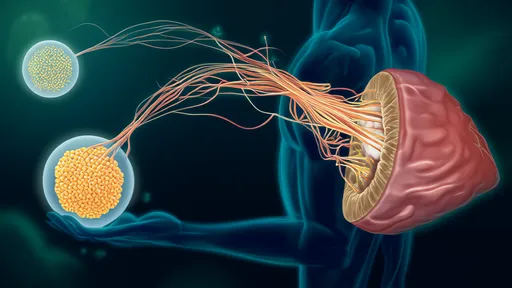
In recent years, the study of myokines—bioactive molecules secreted by skeletal muscle—has revolutionized our understanding of how muscle tissue communicates with distant organs to regulate metabolic homeostasis. Once considered merely a contractile organ, skeletal muscle is now recognized as a potent endocrine organ capable of influencing systemic glucose and lipid metabolism through the secretion of these muscle-derived factors. Researchers are uncovering intricate pathways by which myokines modulate energy balance, offering new therapeutic avenues for metabolic disorders such as diabetes and obesity.
The liver's internal clock has long been recognized as a master conductor of metabolic processes, but recent research reveals far more sophisticated mechanisms than previously understood. Scientists have uncovered how hepatocytes dynamically reorganize their metabolic functions in response to circadian signals, creating waves of enzymatic activity that ripple through biochemical pathways. This discovery fundamentally changes our perspective on how organs "tell time" and use this information to optimize physiological function.
The gradual decline of mitochondrial function has emerged as a cornerstone in understanding the biology of aging and age-related diseases. Once considered mere cellular powerplants, mitochondria are now recognized as dynamic signaling hubs that influence metabolism, redox balance, and cell fate decisions. As research peels back the layers of mitochondrial complexity, scientists are uncovering compelling evidence that early interventions could potentially delay or mitigate multiple aspects of physiological decline.
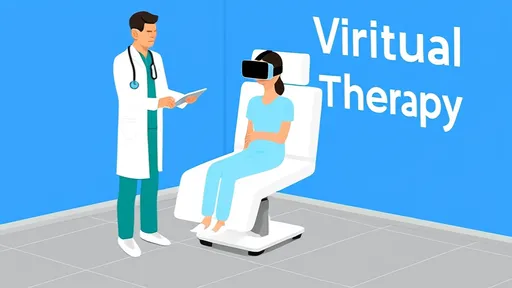
The field of mental health treatment has undergone a quiet revolution in recent years, with virtual reality (VR) therapy emerging as a powerful clinical tool. What began as an experimental approach in research labs has now entered mainstream therapeutic practice, offering new hope for patients with conditions ranging from phobias to PTSD. Unlike traditional talk therapy or medication-based approaches, VR therapy creates immersive, controlled environments where patients can confront and process their challenges in real-time.
For decades, healthcare providers have grappled with the challenge of medication adherence. Patients forgetting to take their pills, misunderstanding dosage instructions, or simply abandoning treatment plans have long been roadblocks to effective care. The consequences are staggering—studies suggest that poor medication adherence leads to approximately 125,000 preventable deaths annually in the United States alone, not to mention billions in avoidable healthcare costs. But a quiet revolution is underway in the form of smart pillboxes, and early research suggests these unassuming devices might hold the key to solving one of healthcare's most persistent problems.
In an era where health tracking apps have become ubiquitous, the conversation around privacy protections has taken center stage. These applications collect vast amounts of sensitive data, from heart rate readings to sleep patterns, creating a treasure trove of personal information. The way companies handle this data is under increasing scrutiny from both users and regulators alike.
The digital transformation of healthcare has brought unprecedented convenience to medical services, yet it has also introduced complex security challenges surrounding electronic health records (EHRs). As sensitive patient data migrates from paper folders to cloud servers, the stakes for protecting this information have never been higher. Healthcare organizations globally are grappling with how to balance accessibility with robust security measures in an era where cyber threats grow more sophisticated by the day.
The rapid advancement of artificial intelligence in healthcare has ushered in a new era of diagnostic capabilities, yet the boundaries of AI diagnostic systems remain a subject of intense debate. While these technologies promise unprecedented efficiency and accuracy, their limitations and ethical implications cannot be overlooked. The conversation surrounding their application is as much about technological potential as it is about human responsibility.
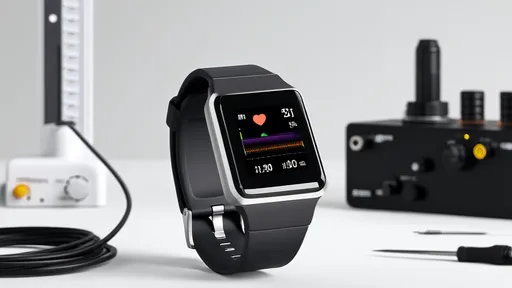
The rapid proliferation of wearable devices has revolutionized how individuals monitor their health and fitness. From smartwatches tracking heart rates to fitness bands counting steps, these gadgets promise to deliver accurate and actionable data. However, as their usage expands into clinical research and medical applications, the question of data reliability becomes increasingly critical. How can we trust the numbers these devices generate? The answer lies in rigorous validation processes that ensure the accuracy and consistency of the data they produce.
The rapid advancement of telemedicine has transformed the way healthcare is delivered, particularly in the management of certain medical conditions. As the world becomes increasingly digital, healthcare providers and patients alike are recognizing the benefits of remote consultations. However, not all ailments are equally suited for virtual care. Identifying the appropriate conditions for telemedicine ensures efficiency, safety, and optimal patient outcomes.
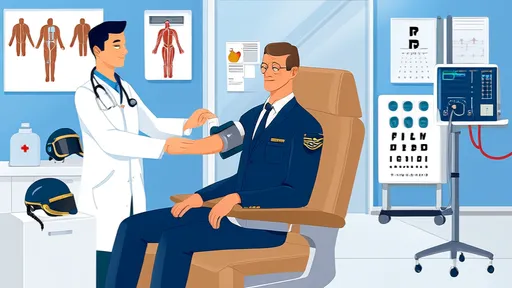
The aviation industry has long recognized that the health and well-being of pilots are critical to ensuring flight safety. With thousands of lives in their hands every day, pilots must maintain peak physical and mental condition. Regulatory bodies worldwide have established stringent health management protocols to monitor and support pilots throughout their careers. These guidelines are not just about compliance—they represent a commitment to safeguarding both aviation professionals and the passengers who rely on their expertise.
The modern workforce has seen a significant rise in night shift workers, from healthcare professionals to factory operators and security personnel. These individuals operate on schedules that defy the body's natural circadian rhythms, leading to a host of physiological and psychological challenges. Understanding how to adjust their daily routines to better align with their unconventional hours is crucial for maintaining health, productivity, and overall well-being.
For vegetarians and vegans, ensuring adequate protein intake can sometimes be a challenge, particularly when it comes to obtaining all essential amino acids. Unlike animal-based proteins, which are complete proteins containing all nine essential amino acids, most plant-based proteins are incomplete. However, by combining different plant-based foods, vegetarians can create complete protein profiles that meet their nutritional needs.
The journey to full recovery after surgery is often a delicate process that requires careful attention to multiple factors, with nutrition playing a pivotal role. The body undergoes significant stress during surgical procedures, and the healing process demands an increased supply of essential nutrients. Without proper nutritional support, patients may experience delayed wound healing, weakened immunity, and prolonged recovery times. Understanding the relationship between diet and postoperative healing can make a substantial difference in a patient’s rehabilitation.
In the high-stakes world of competitive sports, maintaining peak physical condition is paramount. While much attention is paid to training regimens and nutrition plans, one critical aspect often overlooked is immune system maintenance. Athletes push their bodies to extremes, which can inadvertently weaken their immune defenses, leaving them vulnerable to illnesses that can derail training and competition schedules. A comprehensive immune maintenance program tailored for athletes is no longer a luxury—it’s a necessity.
As the global population ages, the importance of designing nutrient-dense meals for older adults has never been more critical. The concept of a "nutritionally dense plate" goes beyond simply providing calories—it focuses on maximizing essential vitamins, minerals, and other nutrients while minimizing empty calories. For seniors, whose metabolic needs and absorption capabilities change with age, this approach can significantly impact their overall health, mobility, and cognitive function.
Navigating the transition through menopause can be a challenging experience for many women, marked by a range of physical and emotional symptoms. While hormone replacement therapy (HRT) has long been a conventional approach, an increasing number of women are seeking non-hormonal alternatives to manage their symptoms. Whether due to personal preference, medical contraindications, or concerns about long-term risks, non-hormonal management strategies are gaining traction as viable options for symptom relief.
The adolescent years mark a critical period for skeletal development, where bones undergo rapid growth and mineralization. During this phase, physical activity plays a pivotal role in shaping bone density, strength, and overall structural integrity. However, not all exercises are created equal when it comes to optimizing bone health in teenagers. A well-designed exercise prescription must consider the unique physiological needs of growing bodies while minimizing injury risks.
Vision development in children is a complex and fascinating process that unfolds over several years. Unlike adults, children's visual systems are not fully mature at birth, and they undergo significant changes during early childhood. Understanding the key milestones in this developmental journey can help parents and caregivers ensure their child's eyesight is on track. From the first blurry weeks of life to the sharp clarity of school-age vision, each stage plays a crucial role in how children perceive and interact with the world around them.