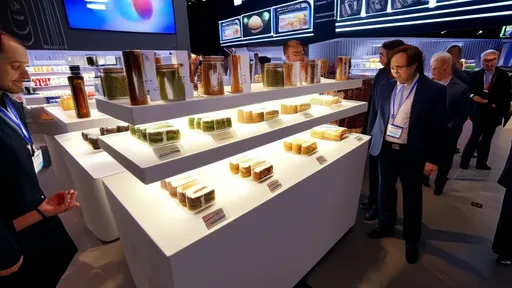
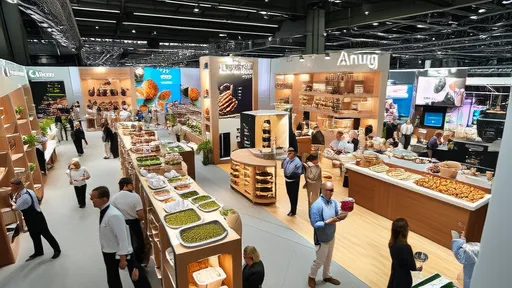
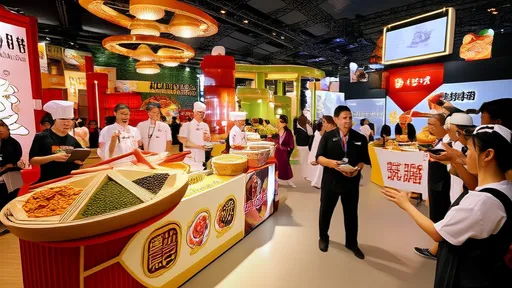
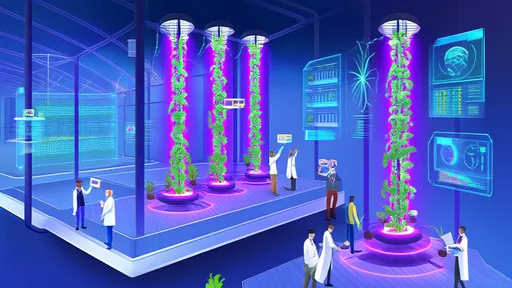
In the sprawling halls of Cologne's exhibition center, where the air hums with the palpable energy of culinary anticipation, the Anuga Taste Innovation Show has once again positioned itself as the global compass for food and beverage trends. This prestigious event, a cornerstone of the larger Anuga food fair, serves not merely as an exhibition but as a prophetic stage where the future of what we eat and drink is unveiled. It is here that industry leaders, visionary startups, and curious gourmands converge to witness the birth of concepts that will soon grace supermarket shelves and restaurant menus worldwide. The atmosphere is one of intense scrutiny and boundless possibility, a place where a single product can redefine a category.
The selection process for the Taste Innovation Show is notoriously rigorous, a gauntlet run by thousands of submissions from across the globe. Products are judged not on their market success or brand legacy, but purely on their innovative qualities—be it in flavor, ingredients, technology, sustainability, or their response to evolving consumer lifestyles. A panel of international experts, comprising food scientists, renowned chefs, and trend researchers, dedicates countless hours to tasting, analyzing, and debating the merits of each entry. Their mission is singular: to identify those rare creations that push boundaries and signal a definitive shift in the culinary landscape. To be featured is to receive one of the highest accolades in the food industry.
This year's cohort of standout innovations tells a compelling story of a world in flux, where consumer consciousness is the primary driver of change. The products are not merely items for consumption; they are statements. They speak of a deepening concern for planetary health, a relentless pursuit of wellness without compromise on taste, and a technological prowess that is beginning to blur the lines between science fiction and kitchen reality. The trends are clear and multifaceted, moving beyond niche categories into the mainstream with undeniable force. From the re-imagining of classic proteins to the sophisticated alchemy of flavor enhancement, these ten products offer a panoramic view of the dinner table of tomorrow.
A New Dawn for Plant-Based Cuisine
The plant-based revolution has matured beyond simply mimicking meat. This year's innovations showcase a sophisticated understanding of texture, umami, and culinary application that elevates the category to new heights. One of the most talked-about products was a mycelium-based whole-cut "filet mignon". Unlike many plant-based meats that rely on extrusion processes, this product leverages the natural, fibrous structure of mycelium—the root system of mushrooms—to replicate the distinct grain and mouthfeel of a premium beef cut. The result is astonishing; it can be seared, roasted, and sliced, holding its integrity and juiciness in a way that has eluded many previous alternatives. This isn't just another burger patty; it's a center-of-the-plate solution for fine dining, addressing the texture gap that has long been the Achilles' heel of plant-based fine food.
Another remarkable entry came from a European startup that has perfected the art of fermented oat-based dairy alternatives. Moving beyond simple oat milk, this range includes fermented products like yogurt and cream cheese. Using specific proprietary cultures, the company has achieved a tangy, complex flavor profile and a luxuriously rich texture that rivals, and in some blind tastings surpasses, its dairy counterparts. The fermentation process not only enhances the flavor but also increases nutrient bioavailability, adding a probiotic element that appeals to the health-conscious consumer. This represents a significant leap from being a mere substitute to becoming a desirable choice in its own right.
The Wellness Elixir: Functional Beverages Evolve
The beverage aisle is no longer just about quenching thirst; it's about delivering targeted functional benefits through sophisticated formulations. A standout product that captured significant attention was a sparkling beverage infused with adaptogenic mushrooms and nootropic botanicals. This drink is meticulously crafted to offer a calm, focused energy, a stark contrast to the jittery spike and crash associated with traditional energy drinks. With ingredients like Lion's Mane for cognitive function and Reishi for stress support, it is positioned as a tool for mental performance and resilience in a high-stress world. The flavor profile is equally innovative, using botanical extracts like juniper and sage to create a complex, adult-oriented taste that avoids the cloying sweetness of the past.
Simultaneously, the health shot has been re-engineered. Gone are the days of unpalatable, vinegar-based concoctions. A new wave of synbiotic shots—combining prebiotics and probiotics—has emerged, designed for optimal gut health. One particular product utilized a unique encapsulation technology to ensure the live probiotics survive the harsh journey through the stomach acid to colonize the gut effectively. Packed with a potent blend of fibers and billions of live cultures, these small shots represent a powerful, convenient, and genuinely effective delivery system for digestive wellness, reflecting a consumer demand for efficacy and scientific backing in their functional foods.
Sustainability as a Core Ingredient
Perhaps the most powerful theme resonating through the show was the inextricable link between innovation and environmental responsibility. Upcycling, once a fringe concept, has become a primary engine of product development. A brilliant example is a line of snacks and baking flours made from spent grain sourced from local breweries. This process gives a second life to a resource that would otherwise be discarded, transforming it into high-fiber, nutrient-dense crackers, crisps, and flour. The flavor is nutty and robust, appealing to the craft sensibility of modern consumers who want to know the story behind their food—a story of circular economy and waste reduction.
Another groundbreaking innovation addressed the immense environmental footprint of packaging. A company presented a truly edible and compostable packaging film made from seaweed. This transparent, flexible film can be used to wrap individual food items, such as snack bars or portions of cheese. The consumer has a choice: peel it off and compost it, where it will break down in a matter of weeks, or simply eat it along with the product. The film is tasteless and adds a minimal amount of dietary fiber, presenting a viable, scalable solution to the plastic pollution crisis that plagues the food industry. This is not just incremental improvement; it is a fundamental rethinking of the product lifecycle.
The Future of Flavor and Indulgence
Even as health and sustainability dominate, the desire for authentic, intense flavor and mindful indulgence remains potent. The show featured several products that demonstrated a masterful use of global inspiration and culinary technique. A standout was a range of umami-rich condiments and pastes made through koji fermentation. By inoculating various legumes and grains with the koji mold, producers are creating deeply savory, complex flavor bases that can replace salt, MSG, or meat stocks. These pastes are the secret weapon for building layers of flavor in plant-forward cooking, offering a depth that was previously difficult to achieve without animal products.
On the sweeter side, the concept of indulgence is being redefined through the lens of ingredient quality and culinary craftsmanship. An artisanal ice cream brand caused a stir with its use of single-origin heirloom cacao and rare, unrefined sugars. Each pint tells a geographic and cultural story, with the flavor notes of the cacao bean—fruity, floral, or earthy—taking center stage, rather than being masked by excessive sugar and dairy. This represents a shift towards a more sophisticated, "slow food" approach to dessert, where the consumer is an explorer, and the product is a journey in itself. It’s an indulgence that satisfies not just a sweet tooth, but also a curious mind.
In conclusion, the ten pioneering products from the Anuga Taste Innovation Show paint a vivid and optimistic portrait of the food industry's trajectory. They are not isolated novelties but interconnected pieces of a larger puzzle. They reveal a future where food is more intelligent, more responsible, and more delicious. It is a future where the lines between sustenance and medicine, between pleasure and principle, and between science and art are becoming beautifully blurred. For retailers, chefs, and consumers alike, these innovations are a compelling call to action—to embrace change, to demand more from our food systems, and to participate in the creation of a more flavorful and sustainable world. The show may be over, but the conversation, and the evolution, has just begun.
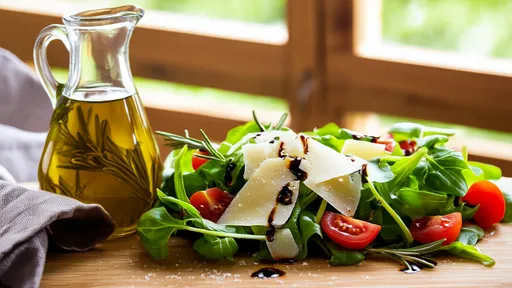
I stood in my kitchen last Tuesday staring at a bottle of ranch dressing, reading the ingredient list for what felt like the hundredth time. Preservatives I couldn't pronounce, stabilizers, and a sugar content that made my teeth ache just thinking about it. That's when it hit me—why on earth was I still buying this stuff? Making salad dressing from scratch seemed like one of those complicated culinary tasks reserved for chefs and food bloggers. It turns out, I couldn't have been more wrong.
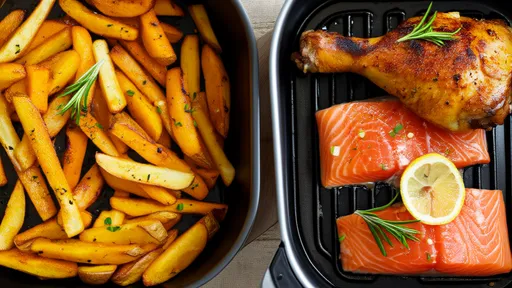
My kitchen smells like a carnival, and honestly, I’m not mad about it. It’s all thanks to my air fryer—this little countertop gadget that’s completely transformed my weeknight dinners, snack game, and even my approach to meal prep. If you’re still using yours only for frozen fries, you’re missing out on a universe of crispy, golden, and surprisingly healthy possibilities. I’ve been experimenting nonstop, and the results have been so good I had to share. By the end of this, you’ll have a handful of fresh, foolproof recipes that will make your air fryer your new favorite kitchen companion.
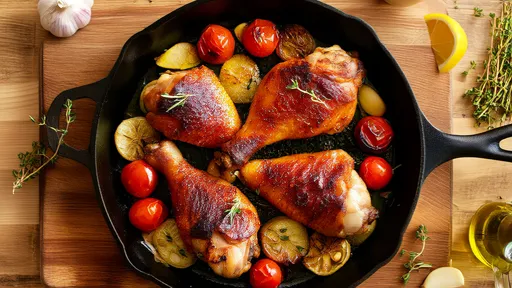
You know those evenings when you stare into the fridge, willing a ready-made dinner to magically appear? I’ve been there more times than I care to admit. Between work deadlines, school runs, and the endless to-do lists, cooking often feels like a chore I just don’t have the energy for. That’s when I stumbled upon this one-pan chicken dinner—a lifesaver that’s become my go-to for busy weeknights. It’s not just about saving time; it’s about reclaiming a bit of sanity in the chaos of daily life.
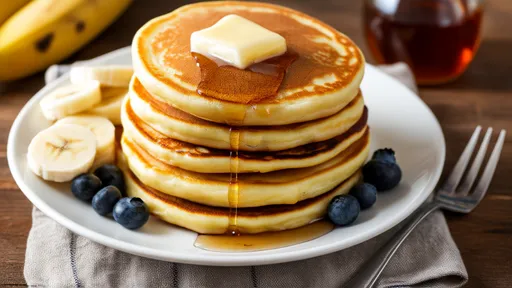
I used to think I was a decent pancake maker. I'd whip up a batch on lazy Sunday mornings, and my family would politely eat them. But secretly, I knew. They were fine. Just fine. A little dense, sometimes gummy in the middle, and they never had that picture-perfect, cloud-like fluff I saw in diners and on cooking shows. The quest for that elusive, airy texture became my personal culinary white whale.
You know the feeling. You eat a salad for lunch, and by 3 PM, you're staring into the abyss of your snack drawer, ready to devour anything in sight. The problem isn't salads; it's the sad, wilted lettuce, the single cherry tomato, and the miserly drizzle of low-fat dressing that passes for one. A truly satisfying salad is a different beast entirely. It's a meal that leaves you feeling energized, nourished, and, most importantly, full. By the end of this, you'll know exactly how to build a salad that you'll genuinely crave, using a simple blueprint that focuses on texture, flavor, and staying power.
I used to stare at my sad, watery home-brewed coffee every morning and wonder why it never tasted like the rich, velvety cups from my favorite local cafe. After burning through countless beans and experimenting with every gadget under the sun, I finally cracked the code. The secret isn't one magic trick—it's a series of small, intentional steps that transform your daily brew from bland to barista-level.
You've seen it all over your social media feeds, haven't you? That vibrant, creamy pasta dish with a single block of feta cheese sitting proudly in the center of cherry tomatoes. It exploded on TikTok, promising a ridiculously easy, one-pan meal that looked gourmet. I was skeptical, like many home cooks, wondering if it could possibly live up to the immense online buzz. After testing it multiple times, tweaking it for different ovens and preferences, I can confirm with absolute certainty: this baked feta pasta totally lives up to the hype.
Let's be honest—when you're racing between meetings, school pickups, and life's endless to-do lists, grabbing whatever's easiest becomes the default. That mid-afternoon crash hits hard, and suddenly that vending machine candy bar or greasy chip bag seems irresistible. I've been there more times than I'd like to admit, feeling sluggish and guilty afterward. But what if I told you that snacking isn't the enemy? It's actually your secret weapon for sustained energy, mental clarity, and even weight management—when done right. The problem isn't snacking itself; it's that we often reach for foods that spike our blood sugar only to leave us crashing an hour later. By the end of this, you'll have a toolkit of delicious, nutrient-packed options that take minutes to prepare and will keep you fueled through your busiest days.
There's a moment every autumn when the air turns crisp, leaves crunch underfoot, and your kitchen starts calling for something simmering on the stove. For me, that moment arrived last week after a long, drizzly walk home. I was cold to the bone, craving a hug in a bowl. That’s when I decided to perfect my ultimate cozy soup—a recipe that’s become my seasonal staple. It’s the kind of meal that fills your home with the most incredible aroma, promising comfort with every spoonful.
I never thought I'd be writing about a dessert that literally takes minutes to make, but here we are. After months of complicated baking projects and failed attempts at Instagram-worthy treats, I stumbled upon this ridiculously simple five-ingredient wonder that has completely changed my dessert game. The best part? You probably have most of these ingredients sitting in your pantry right now.
In the sprawling halls of Cologne's exhibition center, where the air hums with the palpable energy of culinary anticipation, the Anuga Taste Innovation Show has once again positioned itself as the global compass for food and beverage trends. This prestigious event, a cornerstone of the larger Anuga food fair, serves not merely as an exhibition but as a prophetic stage where the future of what we eat and drink is unveiled. It is here that industry leaders, visionary startups, and curious gourmands converge to witness the birth of concepts that will soon grace supermarket shelves and restaurant menus worldwide. The atmosphere is one of intense scrutiny and boundless possibility, a place where a single product can redefine a category.
As the global food industry prepares for Anuga 2025, the anticipation surrounding this premier trade fair reaches new heights with its compelling theme: Sustainable Growth. This isn't merely a marketing slogan; it represents a fundamental shift in how the entire food value chain—from farm to fork—envisions its future. The world's largest food and beverage fair is positioning itself as the central platform where theory meets practice, where ambitious sustainability goals are translated into tangible business strategies and innovative products.
Walking through the sprawling halls of Koelnmesse during Anuga, one is immediately struck not merely by the scale of this biennial food extravaganza, but by the palpable sense of a global industry at a pivotal crossroads. The air hums with a distinct energy, a mixture of cautious optimism and urgent reinvention. Anuga 2023 was far more than a trade show; it was a living, breathing diagnosis of our collective palate and a prognosis for the future of food. The conversations echoing in the aisles, the products vying for attention, and the very atmosphere spoke volumes about where we have been and, more importantly, where we are headed.
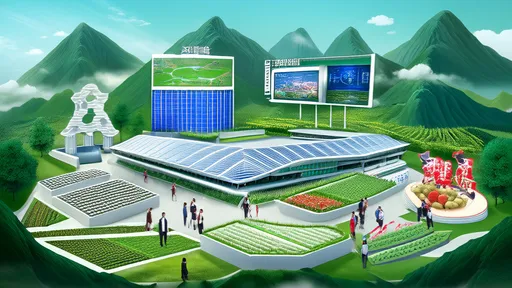
The Chongqing Food and Agriculture Convention has emerged as a pivotal event in China's agricultural landscape, its national influence radiating across provinces and reshaping industry conversations. What began as a regional gathering has transformed into a national institution, its significance extending far beyond the mountainous terrain of Chongqing municipality.
In a powerful demonstration of economic resilience and agricultural modernization, the recently concluded Chongqing Food and Agriculture Conference has shattered expectations with signed project investments totaling over 25.4 billion yuan. The landmark event, held against the backdrop of global supply chain uncertainties, has positioned Chongqing as an emerging powerhouse in China's agricultural transformation, attracting both domestic heavyweights and international players to its fertile business landscape.
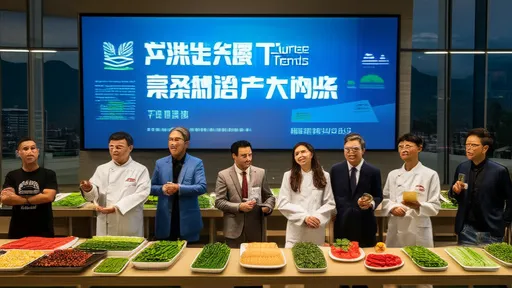
The sprawling metropolis of Chongqing, a city where ancient tradition meets futuristic ambition, recently played host to a pivotal gathering that could very well shape what ends up on our plates for generations to come. The Chongqing Food and Agriculture Industry Ecology Conference, a confluence of the world's brightest minds in food science, agriculture, and sustainability, was not merely a discussion but a profound exploration into the very essence of sustenance. The air was thick not just with the city's characteristic humidity, but with a palpable sense of anticipation, a collective understanding that the global food system is at a critical inflection point.
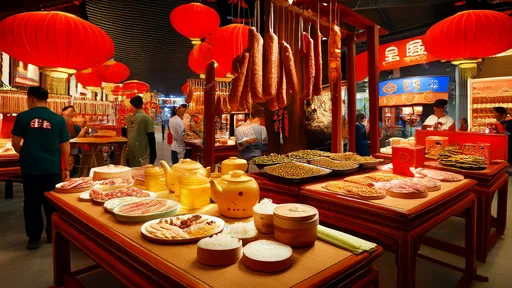
Walking through the sprawling halls of the Shenzhen Food Expo, one is immediately struck by a vibrant tapestry of colors, aromas, and stories that seem to transcend the very concept of a mere trade show. This is not just an exhibition of food products; it is a profound journey across the vast and varied landscape of China, told through the unique language of its geography. The air hangs thick with the promise of distant places—the earthy scent of mushrooms from Yunnan's misty forests, the sharp, briny tang of seafood from the East China Sea, and the sweet, floral notes of honey from the high-altitude blooms of Xinjiang. Here, the term "Geographical Indication" (GI) is not a dry legal classification but a living, breathing testament to the unbreakable bond between a product and its homeland.
The autumn air in Shenzhen carries a distinct international flavor this season as the city welcomes the prestigious Shenzhen International Food Expo, a culinary extravaganza that has transformed the metropolis into a global epicenter for gastronomy. With participation from over thirty countries and regions, the event transcends its role as a mere trade show, evolving into a vibrant tapestry of cultural exchange, economic opportunity, and sensory delight. The scale and diversity on display are not just impressive; they are a powerful testament to Shenzhen's burgeoning status as a world-class city and a critical gateway connecting China's vast consumer market with the finest food producers from across the globe.
The Future Agriculture & Food 500 Innovation Forum recently concluded with a profound vision for transforming global food systems through cutting-edge technologies. Held against the backdrop of escalating climate challenges and population growth, the forum brought together scientists, entrepreneurs, policymakers, and farmers to chart a course toward a more resilient and sustainable agricultural future. What emerged was not merely a collection of isolated innovations, but a coherent, interconnected technological blueprint poised to redefine how we produce, distribute, and consume food.