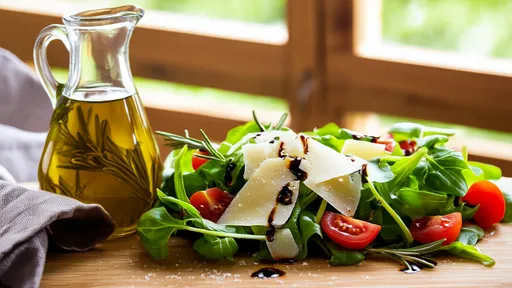
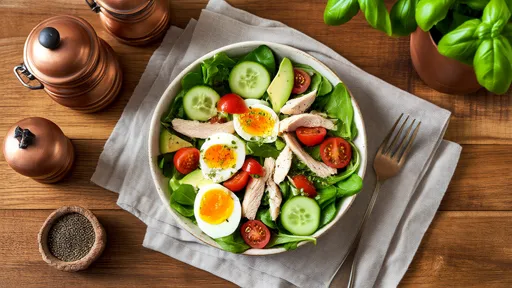
You know the feeling. You eat a salad for lunch, and by 3 PM, you're staring into the abyss of your snack drawer, ready to devour anything in sight. The problem isn't salads; it's the sad, wilted lettuce, the single cherry tomato, and the miserly drizzle of low-fat dressing that passes for one. A truly satisfying salad is a different beast entirely. It's a meal that leaves you feeling energized, nourished, and, most importantly, full. By the end of this, you'll know exactly how to build a salad that you'll genuinely crave, using a simple blueprint that focuses on texture, flavor, and staying power.
Let's start at the very foundation: the greens. Ditch the idea that a salad is just a bed of iceberg lettuce. That's where the hunger begins. You need a base with substance. Think beyond the bagged mix and reach for hearty greens like chopped kale, crunchy romaine, or robust spinach. Massaging your kale with a tiny bit of olive oil and salt breaks down its tough fibers, making it tender and far more palatable. This isn't just about volume; it's about choosing greens that have nutritional heft and a texture that requires a bit of chewing, which actually contributes to feelings of satiety.
A salad without protein is a guaranteed ticket to Hangryville. This is the absolute cornerstone of a satisfying meal. Grilled chicken breast is a classic for a reason, but don't stop there. The goal is to include a solid 20-30 grams of protein. Try flaking a generous portion of baked salmon over the top, which adds healthy fats. For a plant-based powerhouse, a scoop of quinoa or a hearty serving of chickpeas and lentils works wonders. I recently made a salad with spiced, roasted chickpeas, and it was so filling I skipped my afternoon snack without a second thought. The key is to be generous. A few shreds of chicken won't cut it.
Now for the element that most people overlook: healthy fats. This is the secret weapon for both flavor and fullness. Fat slows down digestion, keeping you satisfied for hours. A salad dressed only in lemon juice is a recipe for disaster. Instead, embrace avocados, a handful of nuts like walnuts or almonds, seeds like pumpkin or sunflower, or a good quality cheese like feta or goat cheese. The creaminess of avocado, the crunch of nuts, and the salty tang of cheese transform a bowl of greens into a decadent experience. Don't be shy here; a quarter of an avocado and a tablespoon of seeds can make all the difference.
Let's talk about the fun part: texture and crunch. A monotonous, mushy salad is a sad salad. You need contrasting textures to keep every bite interesting. This is where you can get creative. Add crunch with thinly sliced radishes, chopped bell peppers, or cucumber. For a next-level crunch, try baked chickpeas or crispy roasted onions. I always keep a bag of pre-chopped jicama in my fridge for this exact purpose—it adds a sweet, apple-like crunch that is a total game-changer. This variety isn't just about pleasure; it makes the eating experience slower and more mindful, which helps your brain register that you're full.
The final, and often most botched, component is the dressing. Bottled, sugar-laden dressings can undermine all your healthy efforts. A truly satisfying dressing balances fat, acid, and flavor. The easiest formula is three parts oil to one part acid. For the oil, use extra virgin olive oil or avocado oil. For the acid, fresh lemon juice or a good vinegar like balsamic or apple cider. Then, emulsify it with a teaspoon of Dijon mustard and season generously with salt, pepper, and herbs. Whisk it vigorously or shake it in a jar until it's creamy. Tossing your salad thoroughly with this homemade dressing ensures every leaf is coated, maximizing flavor in every single forkful.
Building the perfect salad is like a ritual. It's a few minutes of mindful preparation that pays off in hours of satisfaction. It’s not just about feeding your body; it's about creating a meal that feels like a treat, not a punishment. The vibrant colors, the mix of textures, the burst of flavors—it’s a celebration in a bowl. When you take the time to build it with care, you're not just eating; you're nourishing yourself on every level. This shift in perspective turns a dietary chore into a daily highlight.
So, the next time you think about a salad, forget the bland, unsatisfying versions of the past. Grab a big bowl and start layering: a hearty base, a generous palm of protein, a good source of fat, a variety of crunchy veggies, and a robust, homemade dressing. Toss it all together and prepare for a meal that actually keeps you going. Your 3 PM self will thank you. For more recipes and my favorite flavor combinations, find me on Pinterest where I share my weekly lunch prep creations.
I stood in my kitchen last Tuesday staring at a bottle of ranch dressing, reading the ingredient list for what felt like the hundredth time. Preservatives I couldn't pronounce, stabilizers, and a sugar content that made my teeth ache just thinking about it. That's when it hit me—why on earth was I still buying this stuff? Making salad dressing from scratch seemed like one of those complicated culinary tasks reserved for chefs and food bloggers. It turns out, I couldn't have been more wrong.
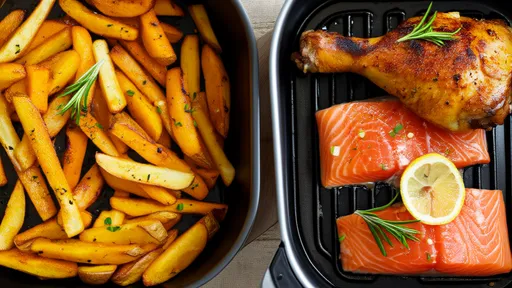
My kitchen smells like a carnival, and honestly, I’m not mad about it. It’s all thanks to my air fryer—this little countertop gadget that’s completely transformed my weeknight dinners, snack game, and even my approach to meal prep. If you’re still using yours only for frozen fries, you’re missing out on a universe of crispy, golden, and surprisingly healthy possibilities. I’ve been experimenting nonstop, and the results have been so good I had to share. By the end of this, you’ll have a handful of fresh, foolproof recipes that will make your air fryer your new favorite kitchen companion.
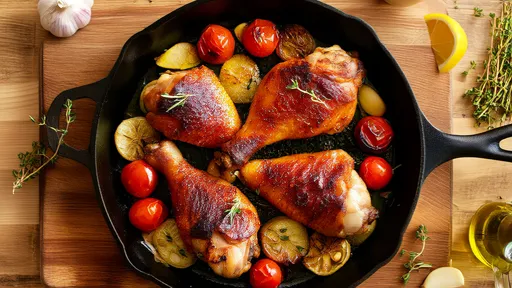
You know those evenings when you stare into the fridge, willing a ready-made dinner to magically appear? I’ve been there more times than I care to admit. Between work deadlines, school runs, and the endless to-do lists, cooking often feels like a chore I just don’t have the energy for. That’s when I stumbled upon this one-pan chicken dinner—a lifesaver that’s become my go-to for busy weeknights. It’s not just about saving time; it’s about reclaiming a bit of sanity in the chaos of daily life.
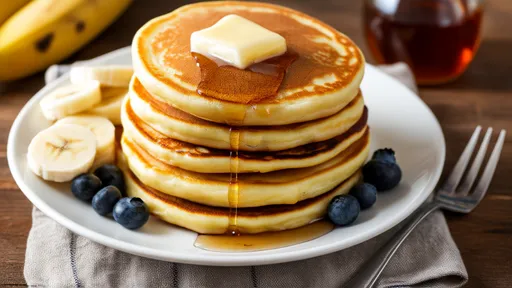
I used to think I was a decent pancake maker. I'd whip up a batch on lazy Sunday mornings, and my family would politely eat them. But secretly, I knew. They were fine. Just fine. A little dense, sometimes gummy in the middle, and they never had that picture-perfect, cloud-like fluff I saw in diners and on cooking shows. The quest for that elusive, airy texture became my personal culinary white whale.
You know the feeling. You eat a salad for lunch, and by 3 PM, you're staring into the abyss of your snack drawer, ready to devour anything in sight. The problem isn't salads; it's the sad, wilted lettuce, the single cherry tomato, and the miserly drizzle of low-fat dressing that passes for one. A truly satisfying salad is a different beast entirely. It's a meal that leaves you feeling energized, nourished, and, most importantly, full. By the end of this, you'll know exactly how to build a salad that you'll genuinely crave, using a simple blueprint that focuses on texture, flavor, and staying power.
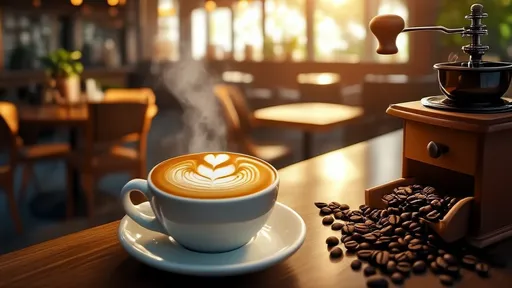
I used to stare at my sad, watery home-brewed coffee every morning and wonder why it never tasted like the rich, velvety cups from my favorite local cafe. After burning through countless beans and experimenting with every gadget under the sun, I finally cracked the code. The secret isn't one magic trick—it's a series of small, intentional steps that transform your daily brew from bland to barista-level.
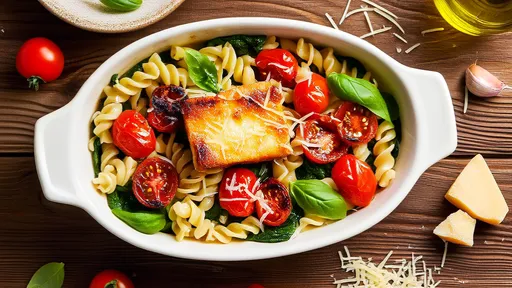
You've seen it all over your social media feeds, haven't you? That vibrant, creamy pasta dish with a single block of feta cheese sitting proudly in the center of cherry tomatoes. It exploded on TikTok, promising a ridiculously easy, one-pan meal that looked gourmet. I was skeptical, like many home cooks, wondering if it could possibly live up to the immense online buzz. After testing it multiple times, tweaking it for different ovens and preferences, I can confirm with absolute certainty: this baked feta pasta totally lives up to the hype.
Let's be honest—when you're racing between meetings, school pickups, and life's endless to-do lists, grabbing whatever's easiest becomes the default. That mid-afternoon crash hits hard, and suddenly that vending machine candy bar or greasy chip bag seems irresistible. I've been there more times than I'd like to admit, feeling sluggish and guilty afterward. But what if I told you that snacking isn't the enemy? It's actually your secret weapon for sustained energy, mental clarity, and even weight management—when done right. The problem isn't snacking itself; it's that we often reach for foods that spike our blood sugar only to leave us crashing an hour later. By the end of this, you'll have a toolkit of delicious, nutrient-packed options that take minutes to prepare and will keep you fueled through your busiest days.
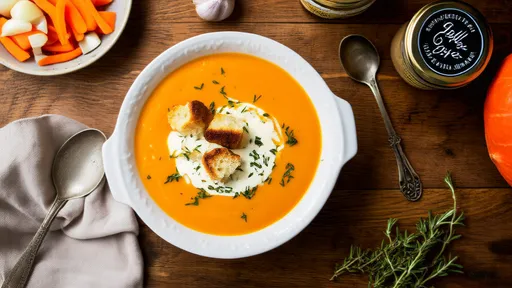
There's a moment every autumn when the air turns crisp, leaves crunch underfoot, and your kitchen starts calling for something simmering on the stove. For me, that moment arrived last week after a long, drizzly walk home. I was cold to the bone, craving a hug in a bowl. That’s when I decided to perfect my ultimate cozy soup—a recipe that’s become my seasonal staple. It’s the kind of meal that fills your home with the most incredible aroma, promising comfort with every spoonful.
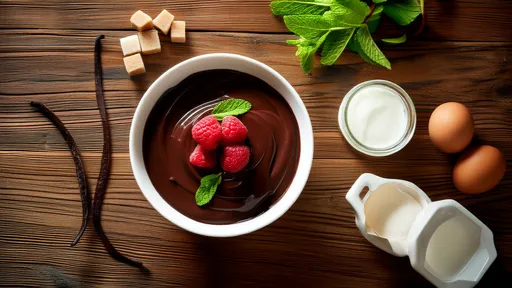
I never thought I'd be writing about a dessert that literally takes minutes to make, but here we are. After months of complicated baking projects and failed attempts at Instagram-worthy treats, I stumbled upon this ridiculously simple five-ingredient wonder that has completely changed my dessert game. The best part? You probably have most of these ingredients sitting in your pantry right now.
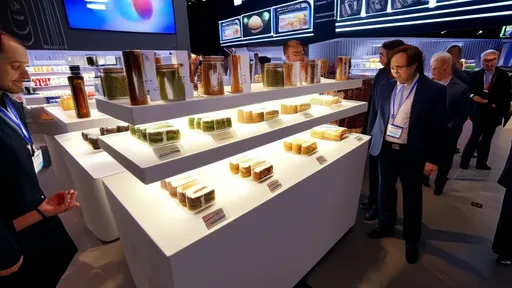
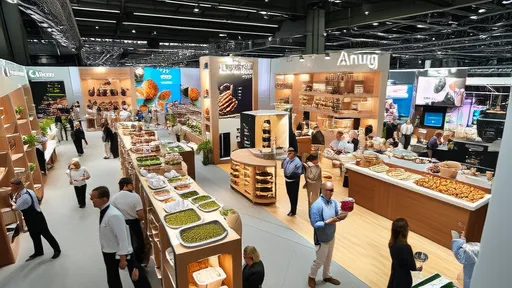
In the sprawling halls of Cologne's exhibition center, where the air hums with the palpable energy of culinary anticipation, the Anuga Taste Innovation Show has once again positioned itself as the global compass for food and beverage trends. This prestigious event, a cornerstone of the larger Anuga food fair, serves not merely as an exhibition but as a prophetic stage where the future of what we eat and drink is unveiled. It is here that industry leaders, visionary startups, and curious gourmands converge to witness the birth of concepts that will soon grace supermarket shelves and restaurant menus worldwide. The atmosphere is one of intense scrutiny and boundless possibility, a place where a single product can redefine a category.
As the global food industry prepares for Anuga 2025, the anticipation surrounding this premier trade fair reaches new heights with its compelling theme: Sustainable Growth. This isn't merely a marketing slogan; it represents a fundamental shift in how the entire food value chain—from farm to fork—envisions its future. The world's largest food and beverage fair is positioning itself as the central platform where theory meets practice, where ambitious sustainability goals are translated into tangible business strategies and innovative products.
Walking through the sprawling halls of Koelnmesse during Anuga, one is immediately struck not merely by the scale of this biennial food extravaganza, but by the palpable sense of a global industry at a pivotal crossroads. The air hums with a distinct energy, a mixture of cautious optimism and urgent reinvention. Anuga 2023 was far more than a trade show; it was a living, breathing diagnosis of our collective palate and a prognosis for the future of food. The conversations echoing in the aisles, the products vying for attention, and the very atmosphere spoke volumes about where we have been and, more importantly, where we are headed.
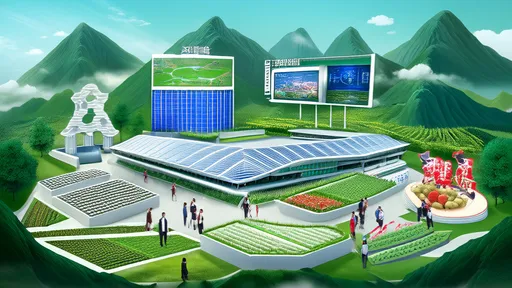
The Chongqing Food and Agriculture Convention has emerged as a pivotal event in China's agricultural landscape, its national influence radiating across provinces and reshaping industry conversations. What began as a regional gathering has transformed into a national institution, its significance extending far beyond the mountainous terrain of Chongqing municipality.
In a powerful demonstration of economic resilience and agricultural modernization, the recently concluded Chongqing Food and Agriculture Conference has shattered expectations with signed project investments totaling over 25.4 billion yuan. The landmark event, held against the backdrop of global supply chain uncertainties, has positioned Chongqing as an emerging powerhouse in China's agricultural transformation, attracting both domestic heavyweights and international players to its fertile business landscape.
The sprawling metropolis of Chongqing, a city where ancient tradition meets futuristic ambition, recently played host to a pivotal gathering that could very well shape what ends up on our plates for generations to come. The Chongqing Food and Agriculture Industry Ecology Conference, a confluence of the world's brightest minds in food science, agriculture, and sustainability, was not merely a discussion but a profound exploration into the very essence of sustenance. The air was thick not just with the city's characteristic humidity, but with a palpable sense of anticipation, a collective understanding that the global food system is at a critical inflection point.
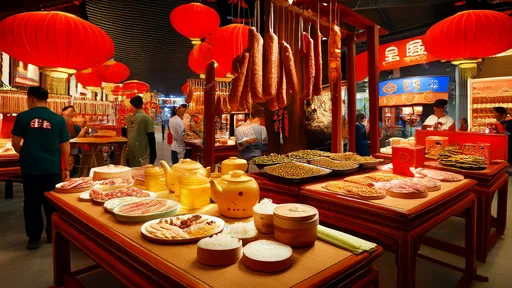
Walking through the sprawling halls of the Shenzhen Food Expo, one is immediately struck by a vibrant tapestry of colors, aromas, and stories that seem to transcend the very concept of a mere trade show. This is not just an exhibition of food products; it is a profound journey across the vast and varied landscape of China, told through the unique language of its geography. The air hangs thick with the promise of distant places—the earthy scent of mushrooms from Yunnan's misty forests, the sharp, briny tang of seafood from the East China Sea, and the sweet, floral notes of honey from the high-altitude blooms of Xinjiang. Here, the term "Geographical Indication" (GI) is not a dry legal classification but a living, breathing testament to the unbreakable bond between a product and its homeland.
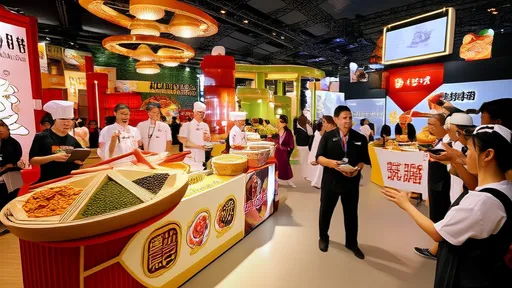
The autumn air in Shenzhen carries a distinct international flavor this season as the city welcomes the prestigious Shenzhen International Food Expo, a culinary extravaganza that has transformed the metropolis into a global epicenter for gastronomy. With participation from over thirty countries and regions, the event transcends its role as a mere trade show, evolving into a vibrant tapestry of cultural exchange, economic opportunity, and sensory delight. The scale and diversity on display are not just impressive; they are a powerful testament to Shenzhen's burgeoning status as a world-class city and a critical gateway connecting China's vast consumer market with the finest food producers from across the globe.
The Future Agriculture & Food 500 Innovation Forum recently concluded with a profound vision for transforming global food systems through cutting-edge technologies. Held against the backdrop of escalating climate challenges and population growth, the forum brought together scientists, entrepreneurs, policymakers, and farmers to chart a course toward a more resilient and sustainable agricultural future. What emerged was not merely a collection of isolated innovations, but a coherent, interconnected technological blueprint poised to redefine how we produce, distribute, and consume food.