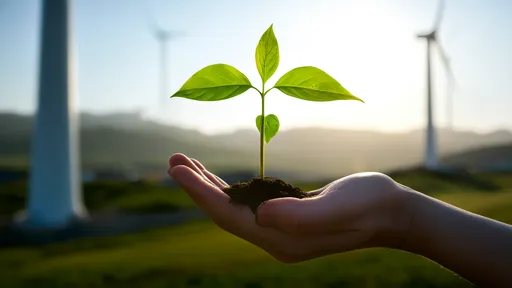
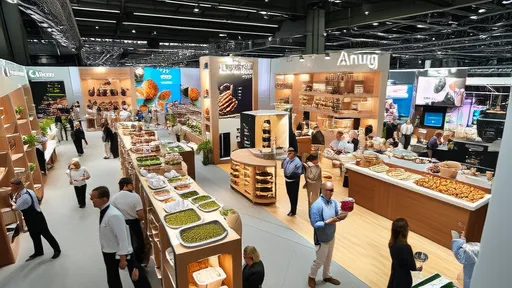
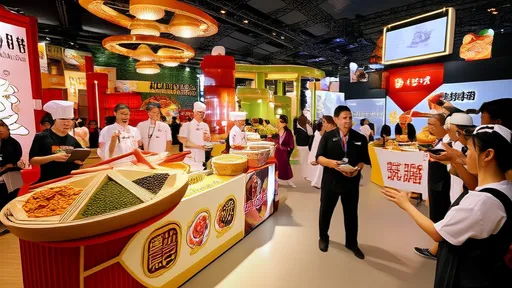
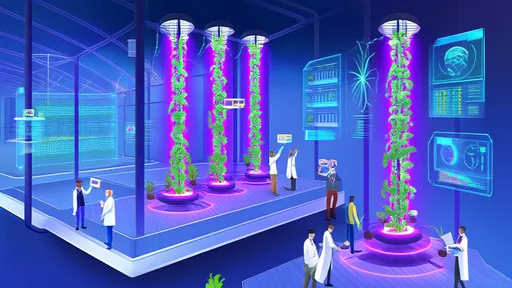
As the global food industry prepares for Anuga 2025, the anticipation surrounding this premier trade fair reaches new heights with its compelling theme: Sustainable Growth. This isn't merely a marketing slogan; it represents a fundamental shift in how the entire food value chain—from farm to fork—envisions its future. The world's largest food and beverage fair is positioning itself as the central platform where theory meets practice, where ambitious sustainability goals are translated into tangible business strategies and innovative products.
The choice of "Sustainable Growth" as the central theme for Anuga 2025 comes at a critical juncture. The food industry stands at a crossroads, facing unprecedented challenges ranging from climate change and resource scarcity to shifting consumer demands and regulatory pressures. For decades, the industry's growth model has been predominantly linear, focused on maximizing output and efficiency, often at the expense of environmental and social considerations. Anuga 2025 seeks to challenge this paradigm head-on, advocating for a new model where economic prosperity, environmental stewardship, and social equity are not mutually exclusive but intrinsically linked.
Beyond Buzzwords: The Tangible Pillars of Sustainable Growth
What does "Sustainable Growth" truly mean in the context of a global food trade fair? At Anuga 2025, it will be deconstructed into actionable pillars that visitors can see, taste, and experience. The fair will move beyond abstract concepts to showcase concrete solutions. One of the most prominent pillars will be the circular economy. Exhibitors will present groundbreaking approaches to eliminating waste, not just reducing it. This includes innovations in upcycling food by-products—turning what was once considered waste into valuable new ingredients. Imagine breweries transforming spent grain into high-fiber flour or juice producers creating nutritious snacks from fruit pulp. These are no longer niche concepts but are rapidly scaling into mainstream commercial opportunities.
Another critical pillar is the transformation of supply chains. The journey of a food product from its origin to the consumer's plate is often opaque and resource-intensive. Anuga 2025 will place a strong emphasis on traceability and transparency technologies. Blockchain, IoT sensors, and AI-driven logistics platforms will be on full display, demonstrating how companies can ensure ethical sourcing, minimize food loss during transport, and provide consumers with verifiable data about the environmental and social footprint of their purchases. This level of transparency is increasingly becoming a non-negotiable demand from a new generation of conscious consumers.
The Innovation Landscape: From Plant-Based Revolution to Cellular Agriculture
The halls of Koelnmesse will be a living laboratory of food innovation, with a significant focus on alternative proteins. The plant-based segment, now a mature market, will showcase its next generation: products with cleaner labels, superior nutritional profiles, and textures that more closely mimic their animal-based counterparts. However, the spotlight will also shine brightly on emerging frontiers like cellular agriculture. Companies cultivating real meat, seafood, and dairy directly from cells, without the need for animal farming, will present their latest advancements. This technology promises to decouple protein production from its traditional environmental burdens—land use, greenhouse gas emissions, and water consumption—representing a potential quantum leap for sustainable growth.
Furthermore, precision fermentation will demonstrate its power to produce complex organic compounds, from egg whites to rare flavors and enzymes, using microorganisms. This technology allows for the creation of high-value ingredients with a fraction of the land, water, and energy required by conventional methods. The convergence of biology, data science, and food technology at Anuga 2025 will paint a vivid picture of a future food system that is not only sustainable but also more resilient and efficient.
Empowering the Consumer and the Retailer
Sustainable growth cannot be achieved by producers and innovators alone; it requires a symbiotic relationship with retailers and, ultimately, consumers. Anuga 2025 will feature dedicated segments exploring how retail formats are evolving to support sustainable choices. This includes the rise of packaging-free stores, smart refrigeration that reduces energy use and spoilage, and in-store education systems that help shoppers make informed decisions. The role of e-commerce in promoting sustainability will also be a key topic, examining how digital platforms can optimize last-mile delivery to reduce its carbon footprint and how they can effectively communicate a product's sustainability credentials online.
For consumers, the fair will be an eye-opening experience into the future of food labeling. Dynamic, QR-code-enabled labels that provide a deep dive into a product's lifecycle assessment, carbon footprint, and social impact will be showcased. This moves sustainability from a vague claim on the front of a package to a transparent, data-backed story that consumers can trust. The dialogue at Anuga will emphasize that empowering consumers with knowledge is a crucial driver for mainstreaming sustainable consumption patterns.
Policy, Investment, and Collaborative Action
The scale of transformation required for true sustainable growth necessitates strong alignment between industry and policy. Anuga 2025 will serve as a crucial meeting point for business leaders and policymakers to discuss the regulatory frameworks and incentives needed to accelerate the transition. Topics will range from carbon pricing for agriculture and subsidies for regenerative farming practices to standardized definitions for terms like "carbon neutral" and "regeneratively sourced." Clarity and consistency in policy are seen as essential to de-risking investments in sustainable technologies and practices.
Concurrently, the fair will highlight the critical role of finance and investment. A dedicated forum will connect startups and scale-ups working on disruptive sustainability solutions with venture capitalists, impact investors, and corporate venture arms. The message is clear: capital is flowing towards businesses that can demonstrably align profit with planetary health. The success stories showcased here will prove that sustainability is not a cost center but a powerful engine for long-term value creation and competitive advantage.
In conclusion, Anuga 2025 is poised to be far more than just another industry gathering. It is being curated as a definitive moment—a catalyst for the great transformation of the global food system. By placing "Sustainable Growth" at its core, the fair challenges every participant, from the smallest artisan producer to the largest multinational corporation, to redefine what success looks like. It promises a comprehensive, immersive exploration of how the industry can nourish a growing global population without exhausting the planet's resources. The innovations, partnerships, and conversations born in Cologne in 2025 are likely to resonate for years to come, setting the agenda for a more resilient, equitable, and truly sustainable future for food.
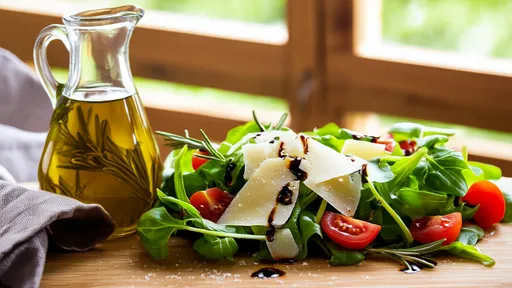
I stood in my kitchen last Tuesday staring at a bottle of ranch dressing, reading the ingredient list for what felt like the hundredth time. Preservatives I couldn't pronounce, stabilizers, and a sugar content that made my teeth ache just thinking about it. That's when it hit me—why on earth was I still buying this stuff? Making salad dressing from scratch seemed like one of those complicated culinary tasks reserved for chefs and food bloggers. It turns out, I couldn't have been more wrong.
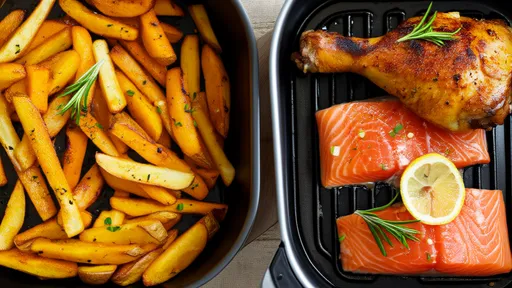
My kitchen smells like a carnival, and honestly, I’m not mad about it. It’s all thanks to my air fryer—this little countertop gadget that’s completely transformed my weeknight dinners, snack game, and even my approach to meal prep. If you’re still using yours only for frozen fries, you’re missing out on a universe of crispy, golden, and surprisingly healthy possibilities. I’ve been experimenting nonstop, and the results have been so good I had to share. By the end of this, you’ll have a handful of fresh, foolproof recipes that will make your air fryer your new favorite kitchen companion.
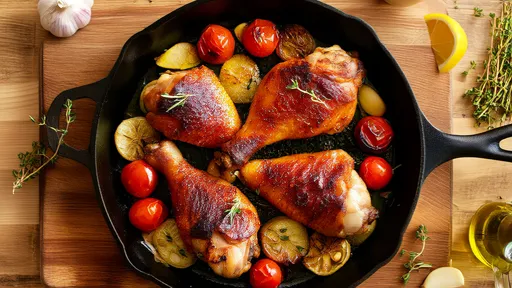
You know those evenings when you stare into the fridge, willing a ready-made dinner to magically appear? I’ve been there more times than I care to admit. Between work deadlines, school runs, and the endless to-do lists, cooking often feels like a chore I just don’t have the energy for. That’s when I stumbled upon this one-pan chicken dinner—a lifesaver that’s become my go-to for busy weeknights. It’s not just about saving time; it’s about reclaiming a bit of sanity in the chaos of daily life.
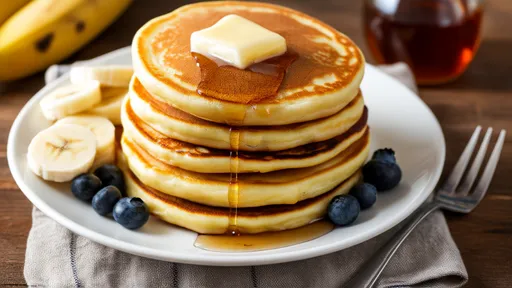
I used to think I was a decent pancake maker. I'd whip up a batch on lazy Sunday mornings, and my family would politely eat them. But secretly, I knew. They were fine. Just fine. A little dense, sometimes gummy in the middle, and they never had that picture-perfect, cloud-like fluff I saw in diners and on cooking shows. The quest for that elusive, airy texture became my personal culinary white whale.
You know the feeling. You eat a salad for lunch, and by 3 PM, you're staring into the abyss of your snack drawer, ready to devour anything in sight. The problem isn't salads; it's the sad, wilted lettuce, the single cherry tomato, and the miserly drizzle of low-fat dressing that passes for one. A truly satisfying salad is a different beast entirely. It's a meal that leaves you feeling energized, nourished, and, most importantly, full. By the end of this, you'll know exactly how to build a salad that you'll genuinely crave, using a simple blueprint that focuses on texture, flavor, and staying power.
I used to stare at my sad, watery home-brewed coffee every morning and wonder why it never tasted like the rich, velvety cups from my favorite local cafe. After burning through countless beans and experimenting with every gadget under the sun, I finally cracked the code. The secret isn't one magic trick—it's a series of small, intentional steps that transform your daily brew from bland to barista-level.
You've seen it all over your social media feeds, haven't you? That vibrant, creamy pasta dish with a single block of feta cheese sitting proudly in the center of cherry tomatoes. It exploded on TikTok, promising a ridiculously easy, one-pan meal that looked gourmet. I was skeptical, like many home cooks, wondering if it could possibly live up to the immense online buzz. After testing it multiple times, tweaking it for different ovens and preferences, I can confirm with absolute certainty: this baked feta pasta totally lives up to the hype.
Let's be honest—when you're racing between meetings, school pickups, and life's endless to-do lists, grabbing whatever's easiest becomes the default. That mid-afternoon crash hits hard, and suddenly that vending machine candy bar or greasy chip bag seems irresistible. I've been there more times than I'd like to admit, feeling sluggish and guilty afterward. But what if I told you that snacking isn't the enemy? It's actually your secret weapon for sustained energy, mental clarity, and even weight management—when done right. The problem isn't snacking itself; it's that we often reach for foods that spike our blood sugar only to leave us crashing an hour later. By the end of this, you'll have a toolkit of delicious, nutrient-packed options that take minutes to prepare and will keep you fueled through your busiest days.
There's a moment every autumn when the air turns crisp, leaves crunch underfoot, and your kitchen starts calling for something simmering on the stove. For me, that moment arrived last week after a long, drizzly walk home. I was cold to the bone, craving a hug in a bowl. That’s when I decided to perfect my ultimate cozy soup—a recipe that’s become my seasonal staple. It’s the kind of meal that fills your home with the most incredible aroma, promising comfort with every spoonful.
I never thought I'd be writing about a dessert that literally takes minutes to make, but here we are. After months of complicated baking projects and failed attempts at Instagram-worthy treats, I stumbled upon this ridiculously simple five-ingredient wonder that has completely changed my dessert game. The best part? You probably have most of these ingredients sitting in your pantry right now.
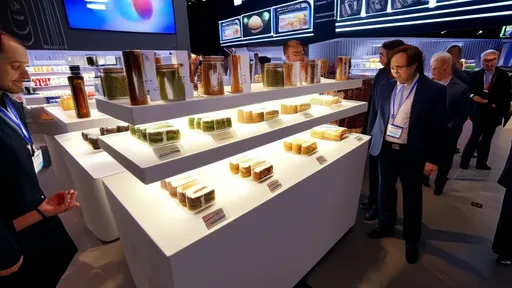
In the sprawling halls of Cologne's exhibition center, where the air hums with the palpable energy of culinary anticipation, the Anuga Taste Innovation Show has once again positioned itself as the global compass for food and beverage trends. This prestigious event, a cornerstone of the larger Anuga food fair, serves not merely as an exhibition but as a prophetic stage where the future of what we eat and drink is unveiled. It is here that industry leaders, visionary startups, and curious gourmands converge to witness the birth of concepts that will soon grace supermarket shelves and restaurant menus worldwide. The atmosphere is one of intense scrutiny and boundless possibility, a place where a single product can redefine a category.
As the global food industry prepares for Anuga 2025, the anticipation surrounding this premier trade fair reaches new heights with its compelling theme: Sustainable Growth. This isn't merely a marketing slogan; it represents a fundamental shift in how the entire food value chain—from farm to fork—envisions its future. The world's largest food and beverage fair is positioning itself as the central platform where theory meets practice, where ambitious sustainability goals are translated into tangible business strategies and innovative products.
Walking through the sprawling halls of Koelnmesse during Anuga, one is immediately struck not merely by the scale of this biennial food extravaganza, but by the palpable sense of a global industry at a pivotal crossroads. The air hums with a distinct energy, a mixture of cautious optimism and urgent reinvention. Anuga 2023 was far more than a trade show; it was a living, breathing diagnosis of our collective palate and a prognosis for the future of food. The conversations echoing in the aisles, the products vying for attention, and the very atmosphere spoke volumes about where we have been and, more importantly, where we are headed.
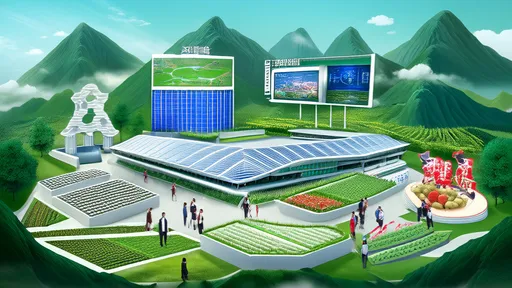
The Chongqing Food and Agriculture Convention has emerged as a pivotal event in China's agricultural landscape, its national influence radiating across provinces and reshaping industry conversations. What began as a regional gathering has transformed into a national institution, its significance extending far beyond the mountainous terrain of Chongqing municipality.
In a powerful demonstration of economic resilience and agricultural modernization, the recently concluded Chongqing Food and Agriculture Conference has shattered expectations with signed project investments totaling over 25.4 billion yuan. The landmark event, held against the backdrop of global supply chain uncertainties, has positioned Chongqing as an emerging powerhouse in China's agricultural transformation, attracting both domestic heavyweights and international players to its fertile business landscape.
The sprawling metropolis of Chongqing, a city where ancient tradition meets futuristic ambition, recently played host to a pivotal gathering that could very well shape what ends up on our plates for generations to come. The Chongqing Food and Agriculture Industry Ecology Conference, a confluence of the world's brightest minds in food science, agriculture, and sustainability, was not merely a discussion but a profound exploration into the very essence of sustenance. The air was thick not just with the city's characteristic humidity, but with a palpable sense of anticipation, a collective understanding that the global food system is at a critical inflection point.
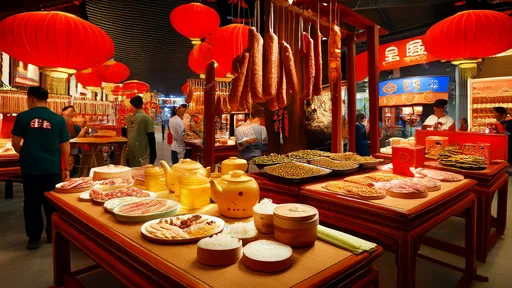
Walking through the sprawling halls of the Shenzhen Food Expo, one is immediately struck by a vibrant tapestry of colors, aromas, and stories that seem to transcend the very concept of a mere trade show. This is not just an exhibition of food products; it is a profound journey across the vast and varied landscape of China, told through the unique language of its geography. The air hangs thick with the promise of distant places—the earthy scent of mushrooms from Yunnan's misty forests, the sharp, briny tang of seafood from the East China Sea, and the sweet, floral notes of honey from the high-altitude blooms of Xinjiang. Here, the term "Geographical Indication" (GI) is not a dry legal classification but a living, breathing testament to the unbreakable bond between a product and its homeland.
The autumn air in Shenzhen carries a distinct international flavor this season as the city welcomes the prestigious Shenzhen International Food Expo, a culinary extravaganza that has transformed the metropolis into a global epicenter for gastronomy. With participation from over thirty countries and regions, the event transcends its role as a mere trade show, evolving into a vibrant tapestry of cultural exchange, economic opportunity, and sensory delight. The scale and diversity on display are not just impressive; they are a powerful testament to Shenzhen's burgeoning status as a world-class city and a critical gateway connecting China's vast consumer market with the finest food producers from across the globe.
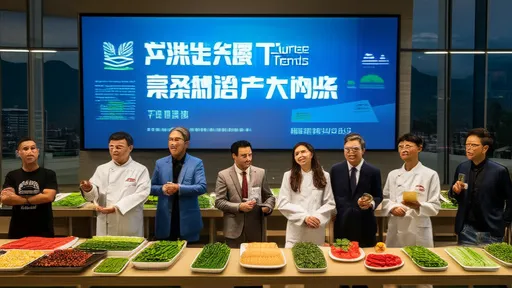
The Future Agriculture & Food 500 Innovation Forum recently concluded with a profound vision for transforming global food systems through cutting-edge technologies. Held against the backdrop of escalating climate challenges and population growth, the forum brought together scientists, entrepreneurs, policymakers, and farmers to chart a course toward a more resilient and sustainable agricultural future. What emerged was not merely a collection of isolated innovations, but a coherent, interconnected technological blueprint poised to redefine how we produce, distribute, and consume food.